
Close
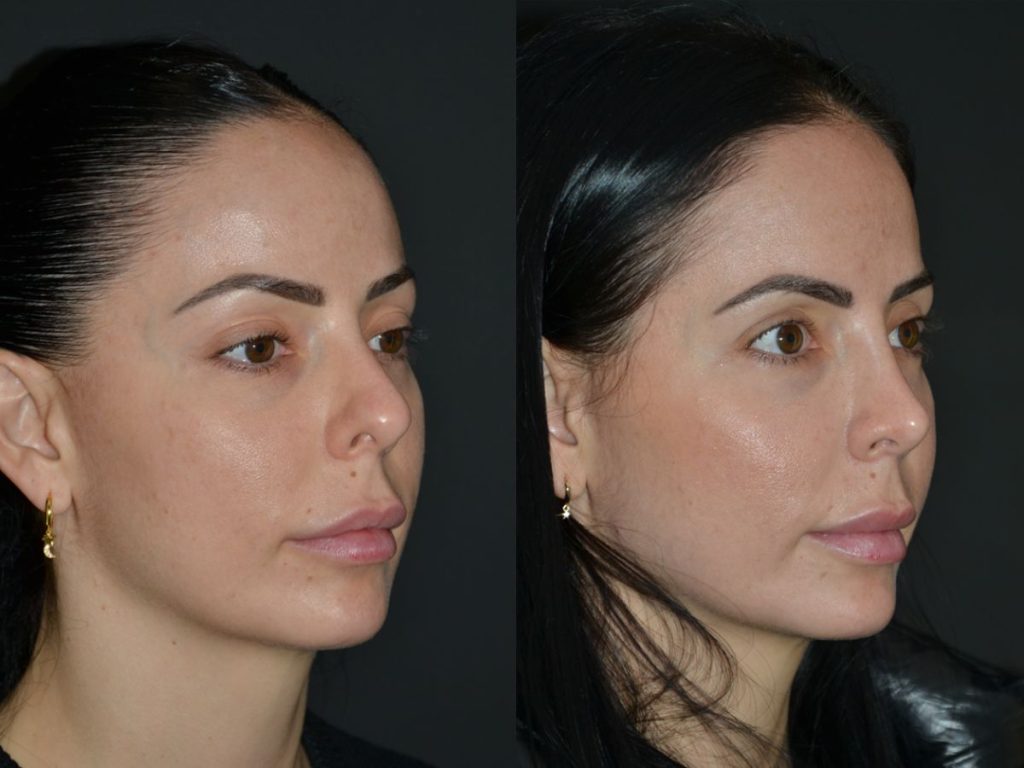
Rhinoplasty is a cosmetic surgery that transforms the shape of the nose, improving both its appearance and respiratory functionality. However, like any surgical intervention, following a proper post-operative recovery process is crucial to ensure that the results are satisfying and long-lasting. In this article, we provide a comprehensive guide on post-rhinoplasty care, including essential steps and helpful advice for a successful recovery.
Good post-operative care not only facilitates healing but also ensures that the new shape of the nose settles correctly. Failing to follow a proper post-surgical routine can lead to complications, such as excessive swelling or improper scarring, which could affect the final results of the rhinoplasty.
Here, we detail the essential care steps to follow during your recovery process after rhinoplasty.
After surgery, a nasal splint is applied, which must be kept in place for at least one week. This splint is crucial for providing support to the newly operated nose and preventing movements that could alter the shape while it heals. After this week, it is replaced with adhesive tape, which should be worn for another week to maintain the proper shape.
In the first few weeks after surgery, it is crucial for patients to sleep with their head elevated. This helps reduce swelling and promotes proper circulation, speeding up the healing process. It is recommended to use several pillows or an orthopedic pillow to keep the head elevated for at least 4 weeks.
Intense physical exercise and direct contact with the nose should be avoided during the post-operative period. For at least 4 weeks, it is essential to refrain from activities that could cause excessive sweating or carry the risk of traumatizing the nose. Physical contact should also be avoided to prevent any pressure or impact on the operated area.
It is common for patients to experience nasal congestion and mild swelling in the first few weeks after rhinoplasty. While surgery usually does not cause intense pain, inflammation and congestion can last several days, or even weeks, after the procedure. To alleviate these symptoms, it is advisable to:
During the first weeks of recovery, it is important to avoid direct sun exposure, as this can cause swelling or irritation in the operated area. Additionally, the nose should be protected from wind, dust, and any other environmental factors that could affect the healing process.
Internal scars in the nose typically heal without complications, as no visible stitches are placed on the exterior. However, it is crucial to follow the surgeon’s recommendations to avoid infections and ensure proper healing. If external incisions have been made, your surgeon may recommend the use of healing creams or ointments.
In addition to basic care, there are a few extra tips that can help optimize your post-operative recovery and improve the final results of your rhinoplasty:
Most of the swelling and bruising will disappear within the first two weeks, but the nose may continue to adjust for several months. Patience is essential, and it is crucial to follow medical recommendations to achieve the best results. Although the final results of rhinoplasty may take up to a year to become fully visible, most of the recovery process takes place within the first few months.
Postoperative care for rhinoplasty is a crucial stage to ensure that the results of your surgery are as desired. By following a series of key care steps, such as using the nasal splint, avoiding intense activities, and maintaining adequate hydration and rest, you will achieve a successful recovery and a nose that perfectly suits your face.
Remember that each patient is unique, so it is always important to follow the personalized instructions provided by your surgeon. If you are considering rhinoplasty, make sure you fully understand the post-operative process to make informed decisions and optimize your surgical results.
If you need more information about rhinoplasty in Barcelona or wish to consult with a specialist, don’t hesitate to contact our team of experts. We are here to help you achieve the results you’ve always wanted!
The rhinoplasty recovery period usually lasts between 10 and 15 days during the initial phase, when the nasal splint and most of the swelling are removed. However, complete recovery can take several months until the nose fully settles into its final shape.
Most patients can return to work one to two weeks after surgery, as long as no strenuous physical activity is required. For professions involving public exposure, it may be advisable to wait a bit longer until swelling and bruising subside.
During rhinoplasty recovery, it is important to keep the head elevated while sleeping, avoid physical exercise, refrain from blowing your nose, protect yourself from the sun, and strictly follow your surgeon’s instructions. These measures help minimize swelling and ensure proper healing.
Physical exercise after rhinoplasty should be avoided for at least four weeks following the surgery. After this period, light activities may be resumed under medical supervision. High-impact exercises should be postponed until full recovery.
Visible improvements usually appear within the first few weeks after surgery, although the final results of rhinoplasty may take up to a year to fully stabilize. During this time, the tissues gradually adapt and the nasal shape becomes more defined.