



Can a facelift be combined with other treatments?
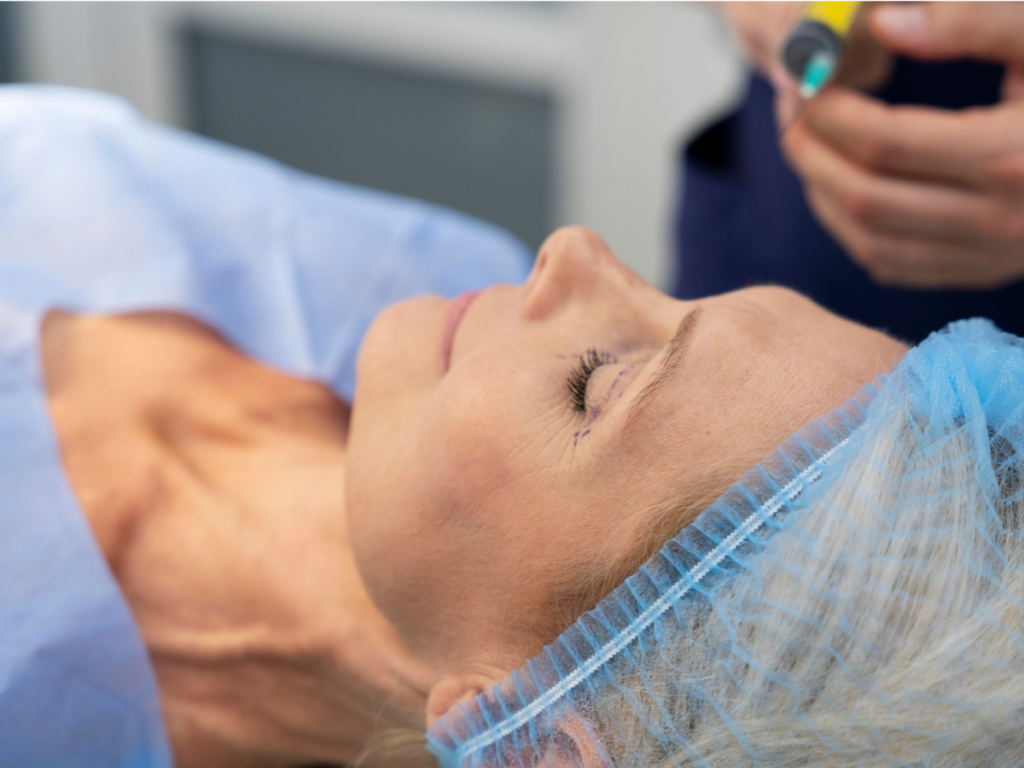
One of the most frequently asked questions in consultation is: can a facelift be combined with other treatments? The answer is yes. In fact, in many cases, strategically combining procedures enhances the results and achieves a more complete and harmonious facial rejuvenation.
A facelift corrects the structural sagging of the face, but ageing does not only affect the skin. Factors such as volume loss, skin quality and the appearance of dynamic wrinkles also play a part. That is why combining treatments can be the key to a natural, balanced result.
Why combine a facelift with other treatments?
A facelift works by repositioning deep tissues and removing excess skin, but it does not always correct:
- Volume loss in the cheeks or lips
- Pronounced expression lines
- Dark spots or uneven skin texture
- Loss of radiance
So when we ask whether a facelift can be combined with other treatments, the answer takes a medical approach: it depends on the individual diagnosis and the patient’s goals.
Treatments that can be combined with a facelift
1. Hyaluronic acid
Hyaluronic acid restores lost volume and improves skin hydration. After a facelift, it can be used to refine specific areas such as:
- Nasolabial folds
- Cheekbones
- Lips
- Under-eye hollows
The combination improves facial harmony and delivers a more rejuvenated result.
2. Botulinum toxin
Botulinum toxin acts on dynamic wrinkles (forehead, frown lines, crow’s feet). While a facelift corrects static sagging, the toxin softens excessive facial movement.
That is why, when considering whether a facelift can be combined with other treatments, this is one of the most common pairings.
3. Laser and skin quality treatments
A facelift improves firmness, but it does not directly address texture or dark spots. Treatments such as:
- Fractional laser
- IPL
- Medical peels
improve skin quality and complete the rejuvenation.
4. Thread lift
In certain cases, tensor threads can be used as a complement to maintain results in specific areas or as a step before surgery.
5. Lipofilling or fat grafting
Lipofilling is a technique that uses the patient’s own fat to restore volume. Combined with a facelift, it offers a more comprehensive and natural rejuvenation.
When is it advisable to combine treatments?
Combining procedures is usually recommended when:
- There are pronounced dynamic wrinkles
- The skin shows sun damage or uneven texture
- There is volume loss
Planning must be personalised and carried out by specialists with experience in aesthetic surgery and aesthetic medicine.
Is it safe to combine a facelift with other treatments?
Yes, as long as it is performed under proper medical supervision and with individualised planning.
In some cases, treatments can be performed during the same surgical procedure. In others, they are scheduled in separate stages to optimise recovery and results.
The key is not to stack procedures, but to design a coherent plan that respects the anatomy and delivers natural results.
Benefits of combining a facelift with other treatments
- More complete and harmonious results
- Overall facial rejuvenation
- Simultaneous improvement in firmness, volume and skin quality
- Greater long-term satisfaction
When the plan is well designed, the result is neither artificial nor exaggerated, but a more rested, rejuvenated version of your own face.
Can a facelift be combined with other treatments?
Yes, a facelift can be combined with other treatments, and in many cases it is the best option for achieving comprehensive facial rejuvenation.
The facelift corrects the structure, but combining it with techniques such as hyaluronic acid, botulinum toxin or laser makes it possible to address every sign of ageing strategically.
At IMAGN Institute, each case is studied individually to design a personalised plan tailored to the patient’s real needs, always prioritising natural, safe and balanced results.
Frequently asked questions about combining a facelift with other treatments
Can a facelift be combined with other aesthetic treatments?
Yes, a facelift can be combined with other aesthetic treatments as long as there is proper medical planning. In fact, in many cases the combination achieves a more complete rejuvenation, acting not only on sagging but also on volume, dynamic wrinkles and skin quality.
Can a facelift be combined with hyaluronic acid?
Yes. Combining a facelift with hyaluronic acid is common practice. While the facelift repositions the tissues and corrects sagging, hyaluronic acid helps restore lost volume in areas such as the cheekbones, under-eye hollows or lips, improving facial harmony.
Can a facelift be combined with botulinum toxin?
Yes, a facelift can be combined with botulinum toxin to treat expression lines such as those on the forehead, between the brows or crow’s feet. This combination addresses both structural sagging and dynamic wrinkles.
Can a facelift be combined with laser treatments?
Yes. After a facelift, laser treatments or other procedures can be performed to improve texture, dark spots or skin quality. This way, the rejuvenation is not only structural but also cutaneous.
Is it safe to combine a facelift with other treatments?
Yes, as long as the combination is recommended by a specialist and adapted to the patient’s characteristics. Safety depends on a thorough medical assessment, proper planning and professional follow-up.
Can all the treatments be performed at the same time?
It depends on the case. Some procedures can be performed during the same surgical procedure, while others are scheduled in different stages to optimise recovery and results. The decision should be based on a personalised assessment.
Who is the ideal candidate for combining a facelift with other treatments?
Ideal candidates are patients who have sagging along with volume loss, pronounced wrinkles or deteriorating skin quality. In these cases, combining a facelift with other treatments can deliver a more natural and balanced result.
About the author
Dr. Ahmad Saad
Medical Director – IMAGN Institute, Barcelona
Schedule a consultation
Reach out to our Patient Coordinator any time via e-mail, phone +34 933 821 111, or online form